
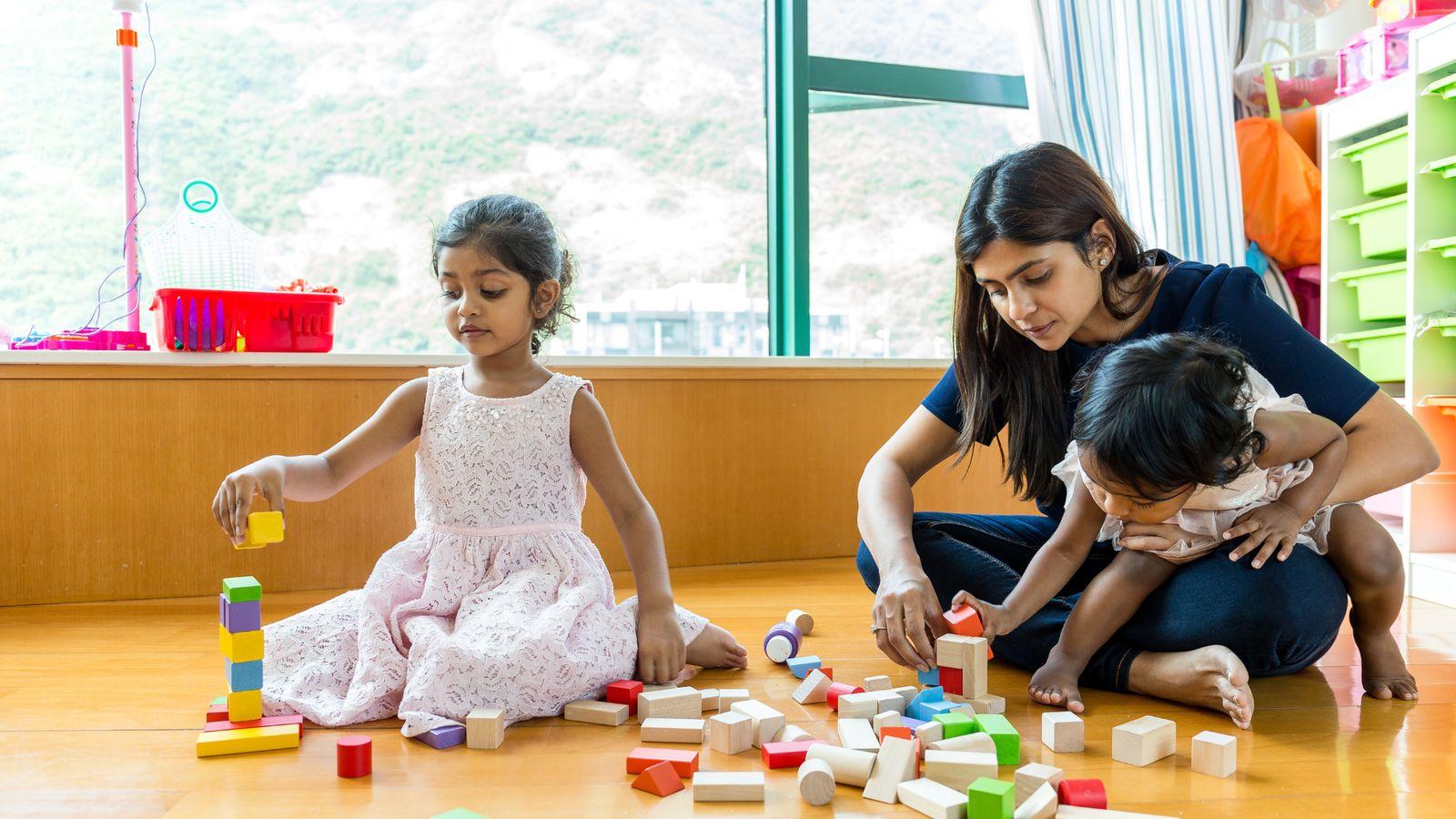
5 Main Impacts of A Suitable Home Environment for Children
Having kids often means a house filled with extra toys, clothes tossed everywhere, and sometimes, scattered Lego pieces on the floor. Yet, the way we arrange our home environment can significantly impact our children's growth. Specifically, the layout can have five important impacts on children, and these effects are subtle yet deep and lasting.
1. Brain Development:
 The colors and layout of the environment can affect a child's brain development. Rich and refreshing surroundings, where kids can use all their senses, can help to better brain development.
2. Psychological Well-being:
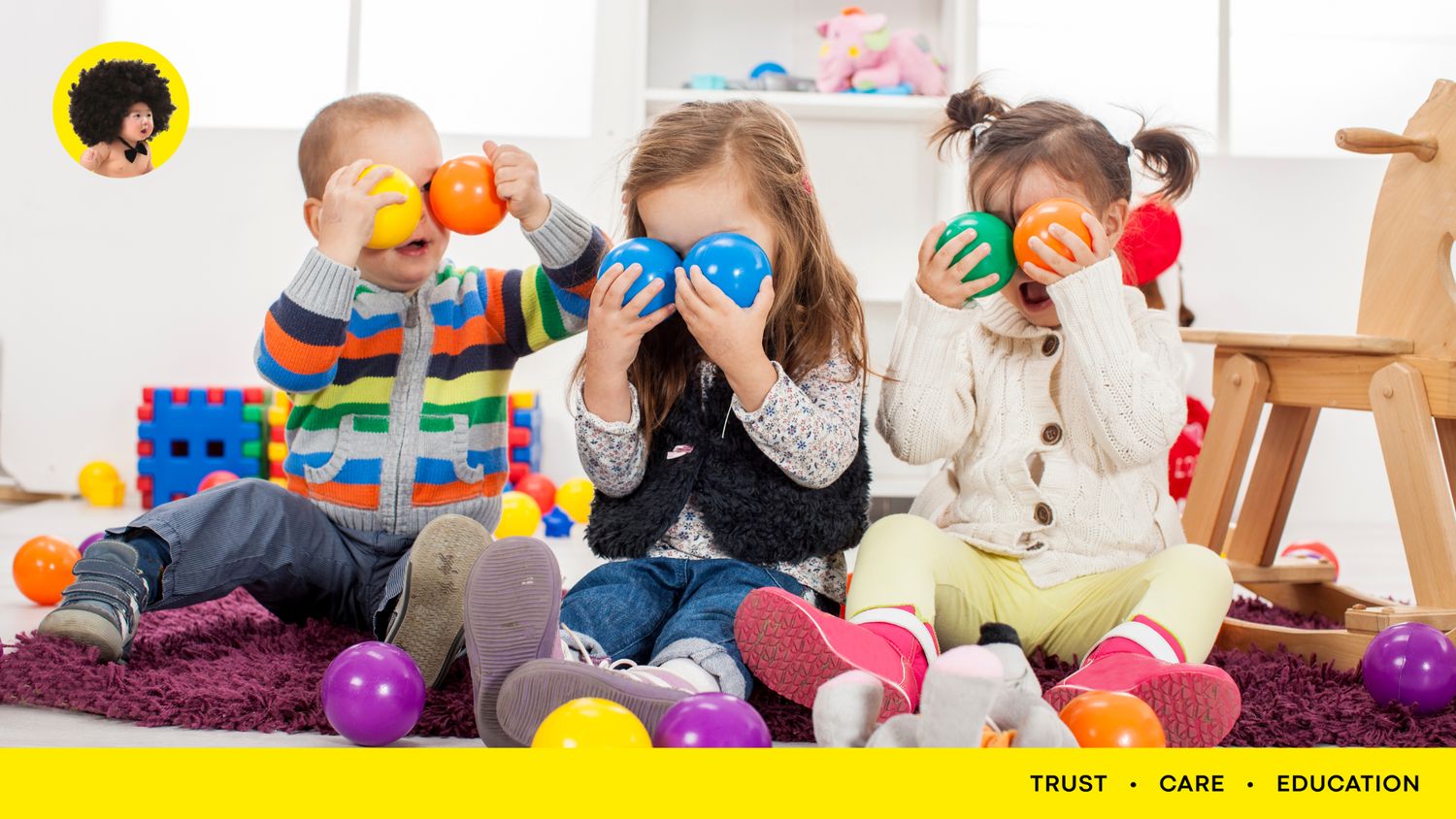
A clutter-free and organized environment promotes positive mental health in children. Conversely, chaotic surroundings may lead to stress and anxiety.
3. Motor Skills:
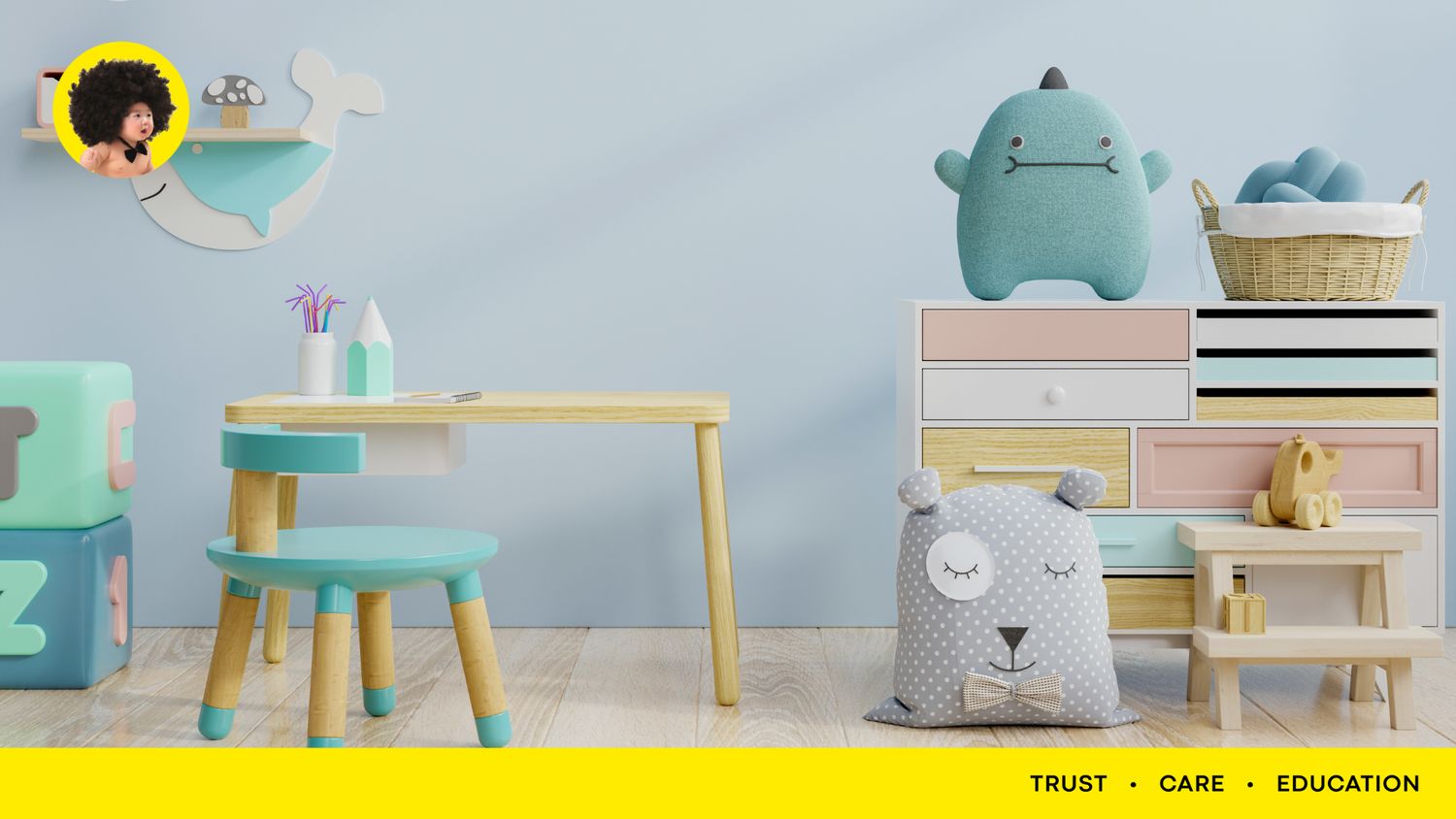
Furniture selection and placement play an important role in a child's motor skill development. Sharp corners and edges can be safety hazards, while ergonomic furniture encourages proper posture.
4. Habit Formation:
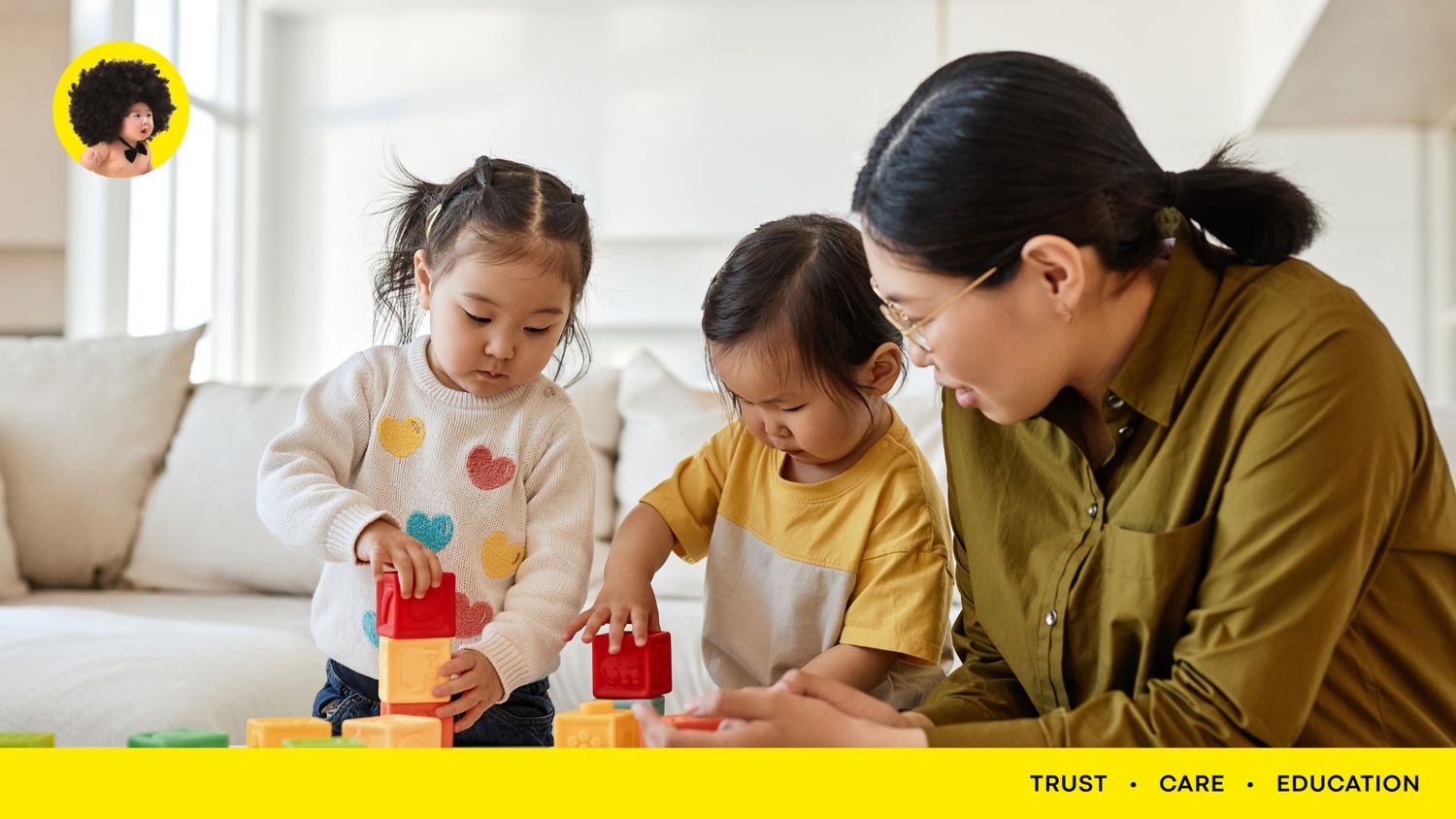
Home furnishing can subtly shape children's habits, from eating behaviors to study routines. Involving children in setting up their space creates independence and responsibility.
5. Physical Health:
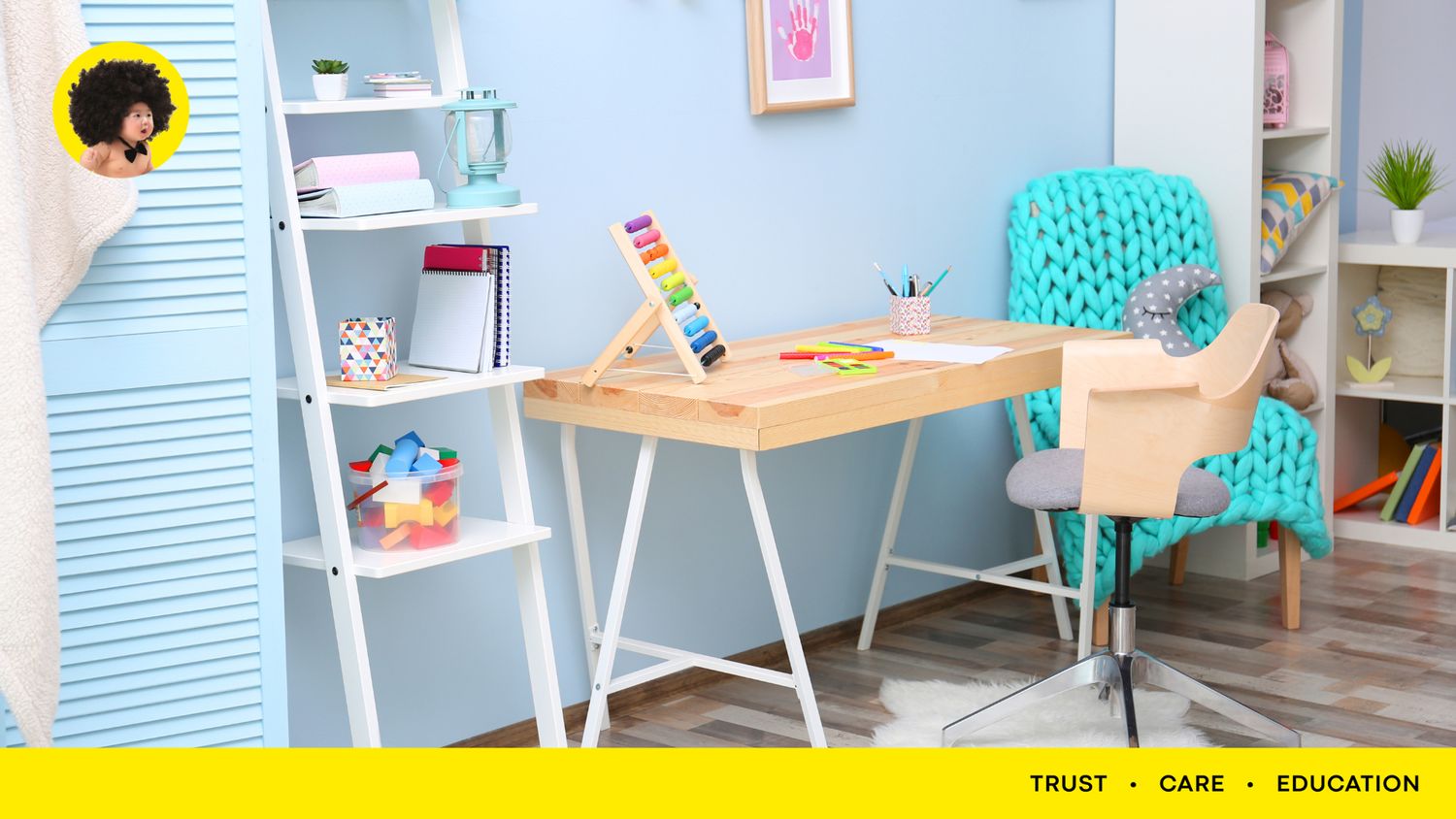
Choosing child-friendly materials and avoiding toxic paints ensure a safe environment. Brightly colored furniture may contain harmful substances like lead, posing health risks to children.
In conclusion, creating a conducive home environment involves prioritizing safety, cleanliness, and understanding children's needs. By making thoughtful adjustments based on their growth and habits, we provide them with the best space to thrive.