
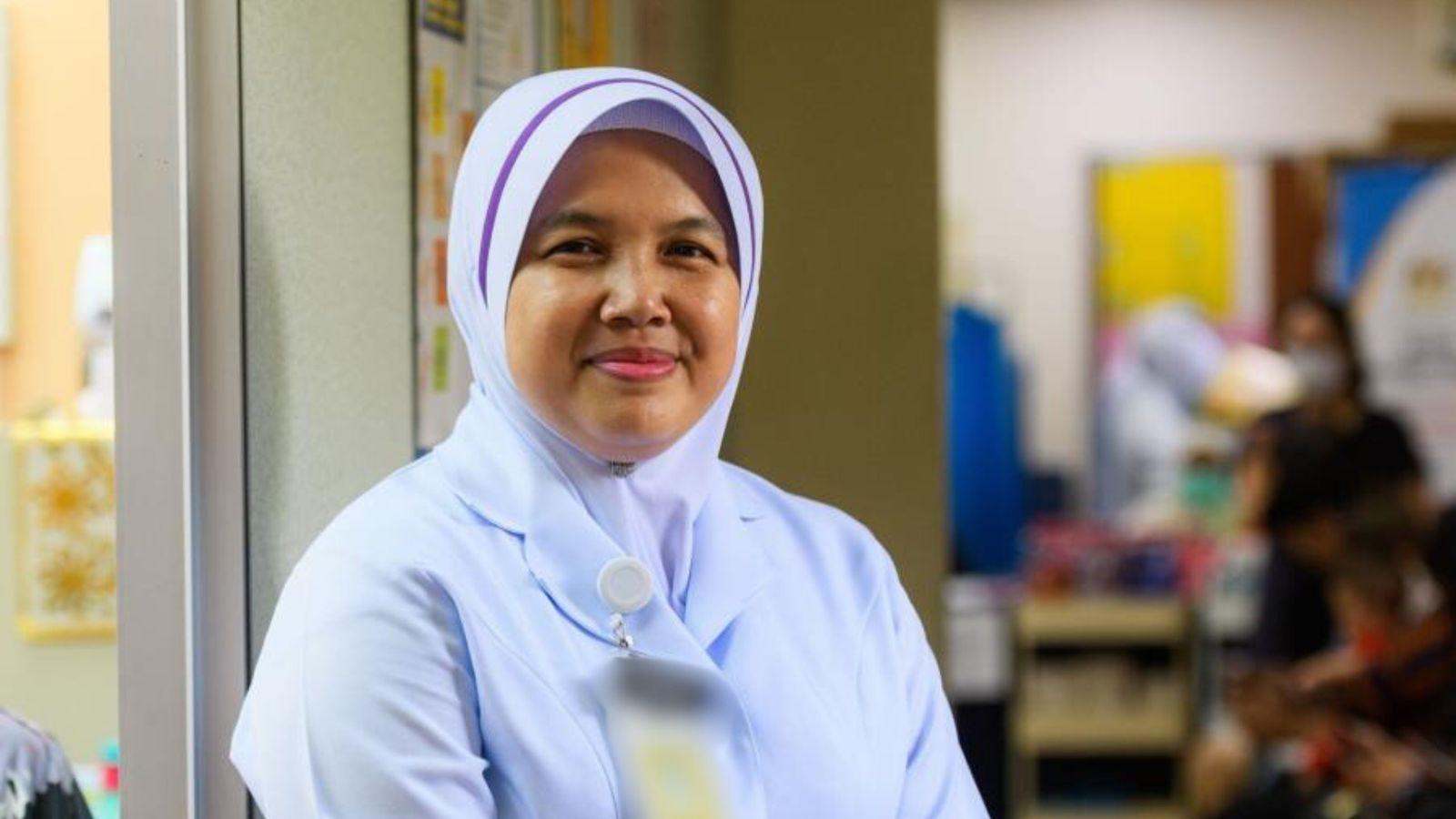
Accessible Maternal Health Care in Malaysia
Ismaziah Binti Ibrahim is a community nurse and midwife at Klinik Desa Broga in Selangor, Malaysia. Her clinic is often the first contact for local pregnant women with the health system.
“We provide services for mothers and children,” says Ismaziah. “We perform urine checks, blood pressure checks, and other necessary tests. If something is difficult, we refer patients to doctors and hospitals.”

Visiting a health center can be hard for some women. “Sometimes, mothers feel shy and don't talk when they visit the clinic,” Ismaziah explains. New mothers often struggle with the distance to health centers, the cost of transport, and missing work if a partner or relative brings them.
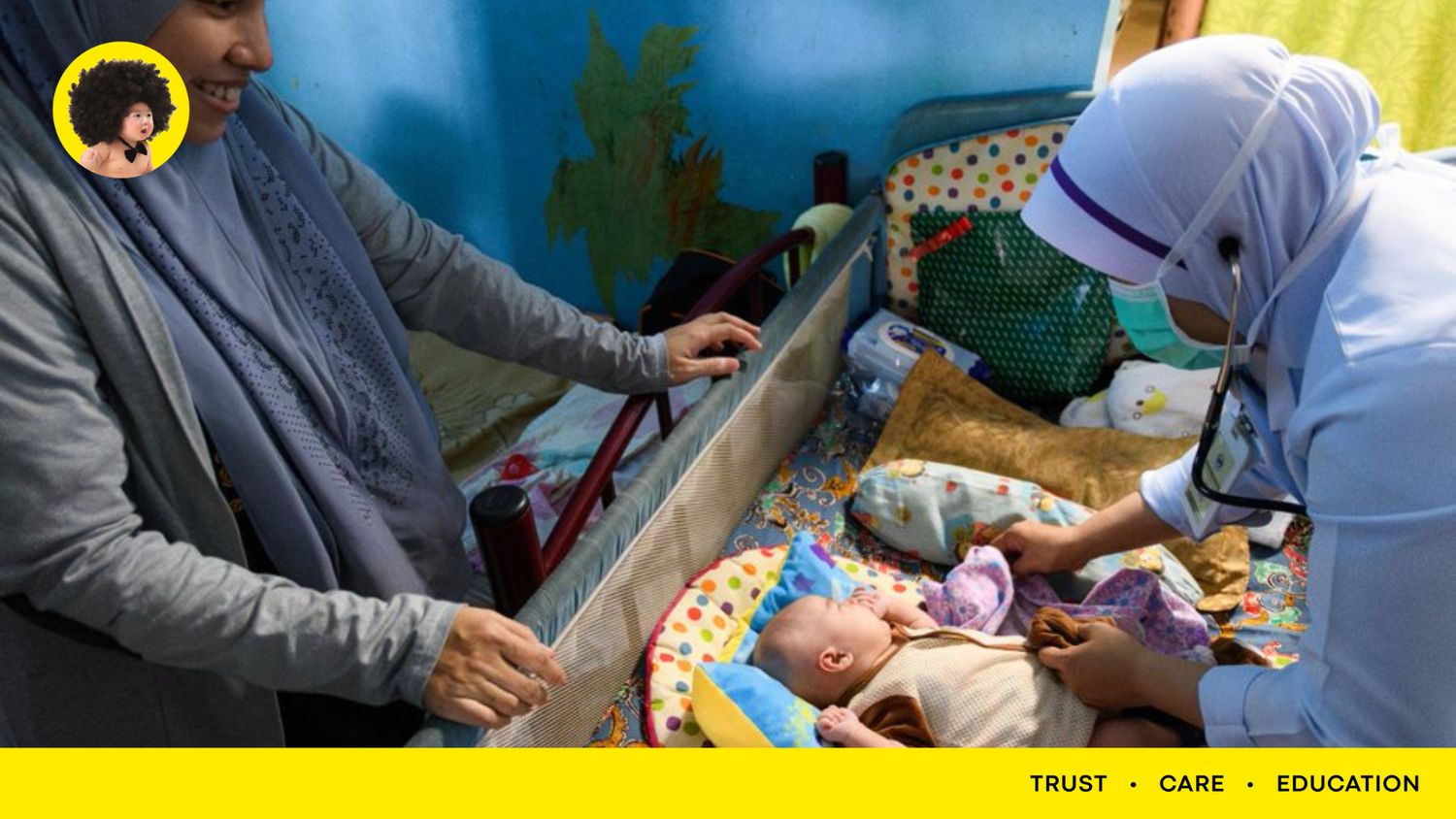
To address these challenges, Ismaziah and other nurse-midwives visit new mothers at home. “Home visits are more personal. Patients are more comfortable and willing to talk to us,” she says. During home visits, nurse-midwives counsel mothers on nutrition, cleanliness, and breastfeeding, and encourage healthy environments for newborns.

The cost of government healthcare is minimal, and home visits eliminate transport and lost work costs. “In Malaysia, government healthcare is the most affordable,” says Ismaziah. “Patients prefer government healthcare.”
These home visits center on the needs of patients, leading to successful outcomes. Malaysia has achieved the Sustainable Development Goal related to maternal and child mortality through accessible and affordable postnatal care.
Despite Malaysia's success, many families in the WHO Western Pacific Region face high healthcare costs. A WHO report finds that 1 in 5 people (385 million) in the region experience financial hardship, defined as spending over 10% of household income on healthcare. This number has doubled in the last two decades.
On UHC Day, WHO calls for investment in universal health coverage to ensure financial protection for all. UHC is essential for making the Western Pacific the safest and healthiest region. WHO works with Member States to develop policies that reduce financial hardship, increasing access to affordable care.
Ismaziah feels proud of her role. “I feel proud to be a community nurse and midwife,” she shares. “We strive to improve and positively impact others. My hope is for the people of Malaysia to be healthy and safe.”
Source: WHO Newsroom