

Confirming Your Pregnancy: Understanding Ultrasound Tests
Many expectant mothers confirm their pregnancy through testing strips. If there are no other discomforts or special circumstances, they generally go to the hospital for the first ultrasound between 6 to 8 weeks of pregnancy. For many expectant mothers, this ultrasound test is a significant milestone. Here's what you need to know about ultrasound:
1. Purpose of the Ultrasound:
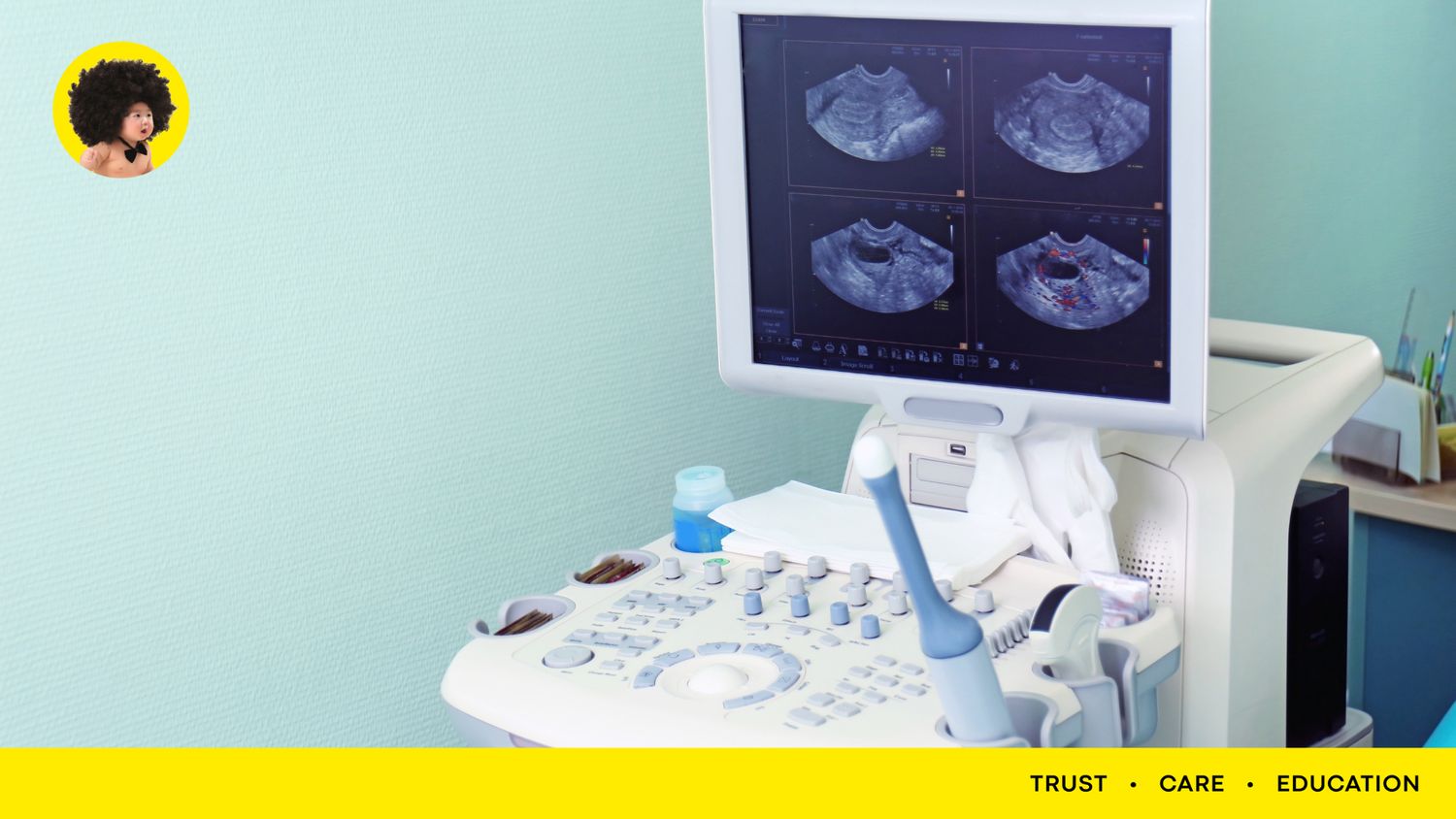
The ultrasound helps determine if it's a normal pregnancy, the number of babies, and checks for any complications like ectopic pregnancy or uterine fibroids.
2. Types of Ultrasound:

There are two types: abdominal and transvaginal. The abdominal ultrasound is done over the belly, while the transvaginal ultrasound is inserted into the vagina. Generally, the abdominal ultrasound is used more often than the transvaginal ultrasound. Both are safe for the baby.
3. What the Ultrasound Shows:

It looks for structures like the gestational sac, embryo, fetal heartbeat, and yolk sac, providing crucial information about the pregnancy's progress.
4. When to Expect Results:

You may see the fetal heartbeat as early as 5 weeks with a transvaginal ultrasound or around 6 weeks with an abdominal ultrasound. Don't worry if everything isn't visible right away; sometimes it takes a bit longer.
5. Calculating Gestational Age:

Your doctor will estimate your pregnancy's age based on the first day of your last menstrual period. This helps determine when to schedule your ultrasound.
Remember, the first ultrasound test is an exciting step in your pregnancy journey, providing valuable insights into your baby's development.
Disclaimer: This article is for general information only, not medical advice from TCE Baby. Consult professionals for personalized guidance.