

Essential Guide for New Moms: Handling Your Baby's First Feeding, Pee, and Poop!
After waiting for so long during pregnancy, your little one finally arrives, bringing with them a host of first experiences: their first taste of food, their first diaper change, and their first sleep.
Since your baby is brand new to the world, they're still adjusting and need your tender loving care. Here are some practical tips to help you navigate these early milestones.
First Feeding: Breast Milk or Formula?
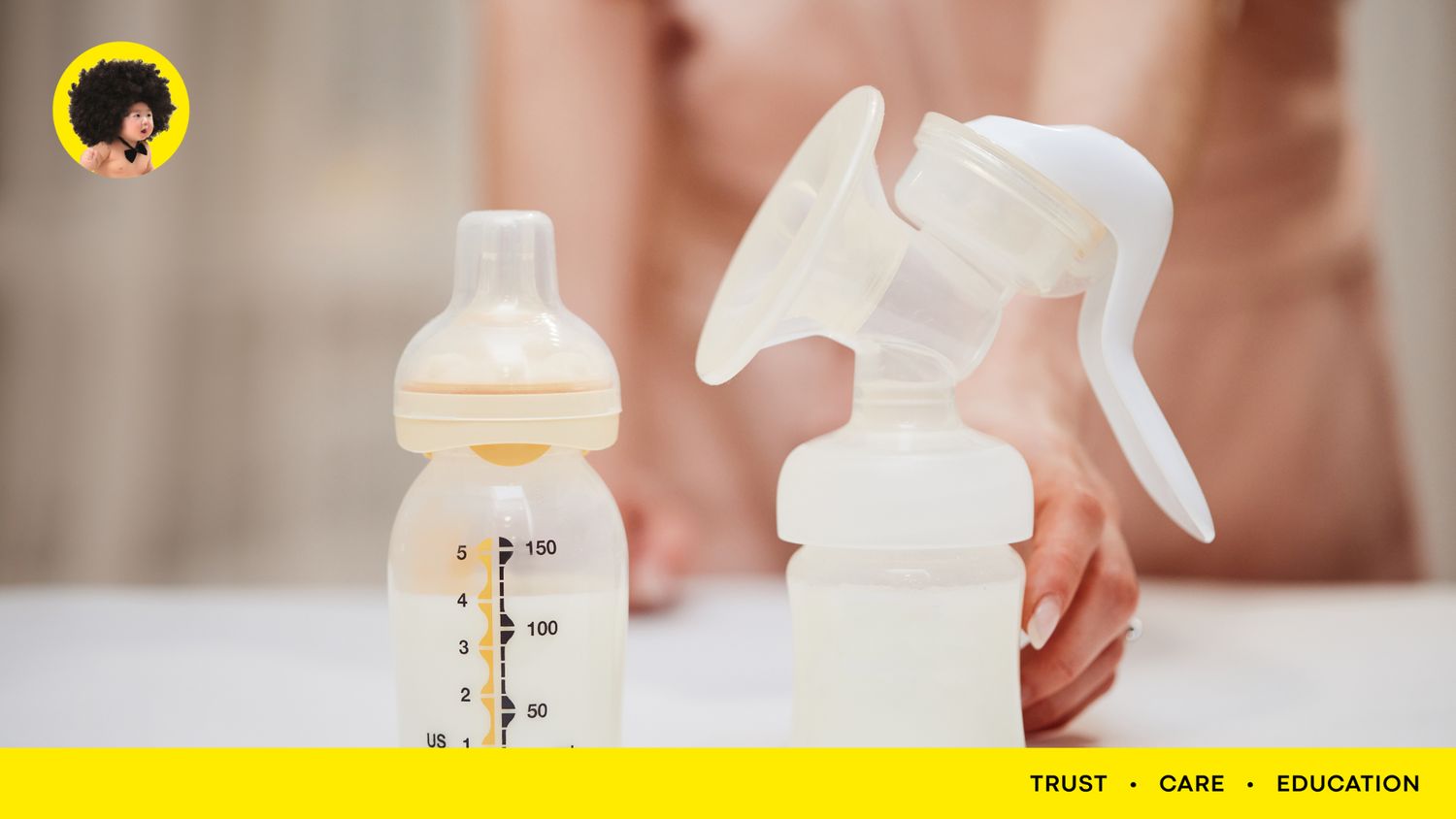
Choose between breastfeeding or formula feeding based on what suits you and your baby. Breastfeeding is recommended for the first six months, with solids introduced gradually while continuing breastfeeding until your child is two or older. If breastfeeding isn't possible, formula provides the necessary nutrition.
Encouraging Early Breastfeeding

Begin breastfeeding within the first hour after birth to kickstart milk production, aiming for 8-12 feeding sessions daily. Colostrum, the initial milk your body produces, is rich in nutrients and bolsters your baby's immune system, making it essential for their health.
Breastfeeding Tips
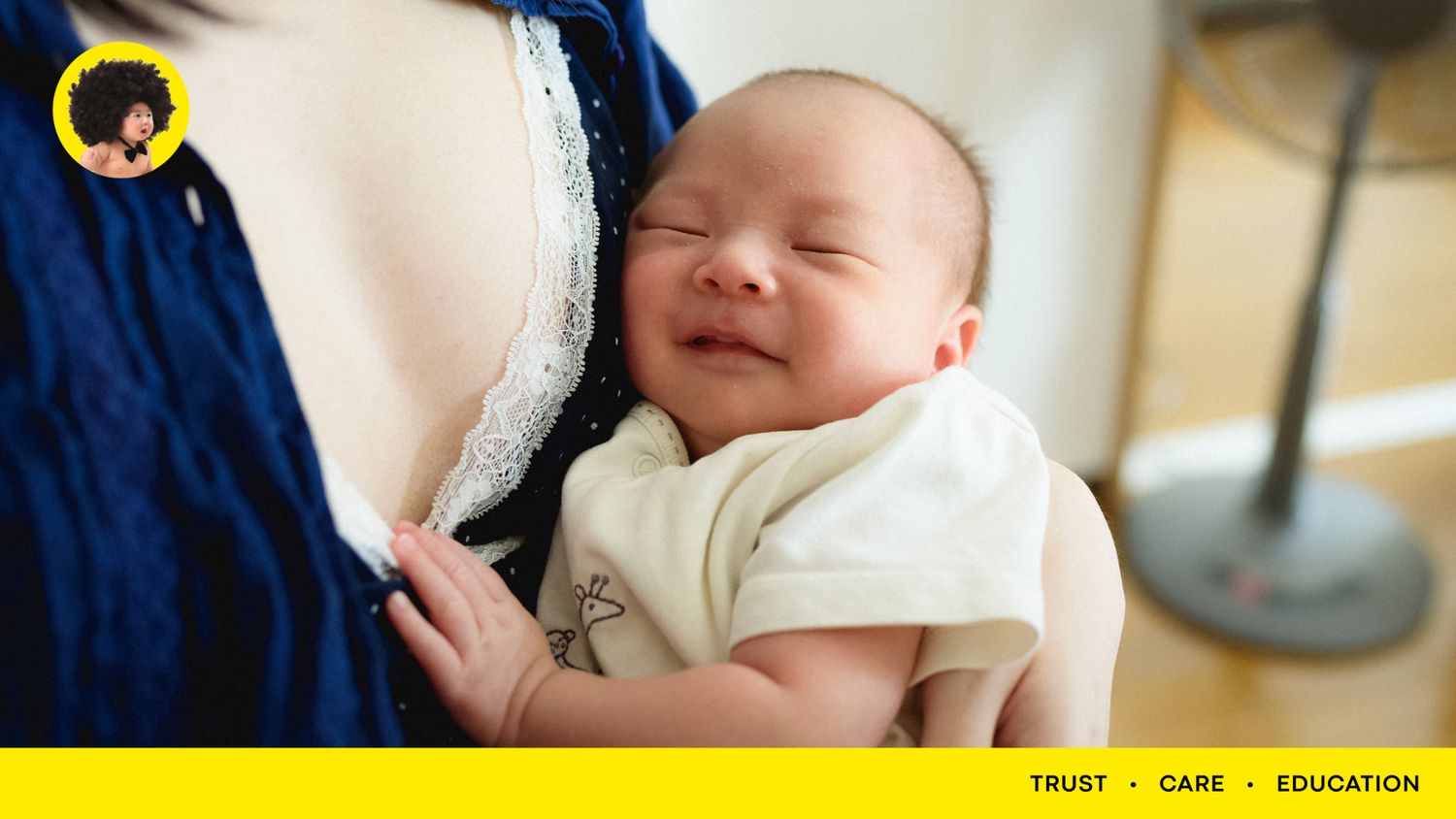
For a smooth breastfeeding experience, find a cozy position, seated or reclined. Before feeding, a warm water wipe is ample for nipple care, no soap required. Switch breasts during feeding to ensure thorough emptying, expressing milk from the other if needed. Post-feeding, aid digestion by holding your baby upright to burp and minimize spit-up.
Baby's First Pee and Poop
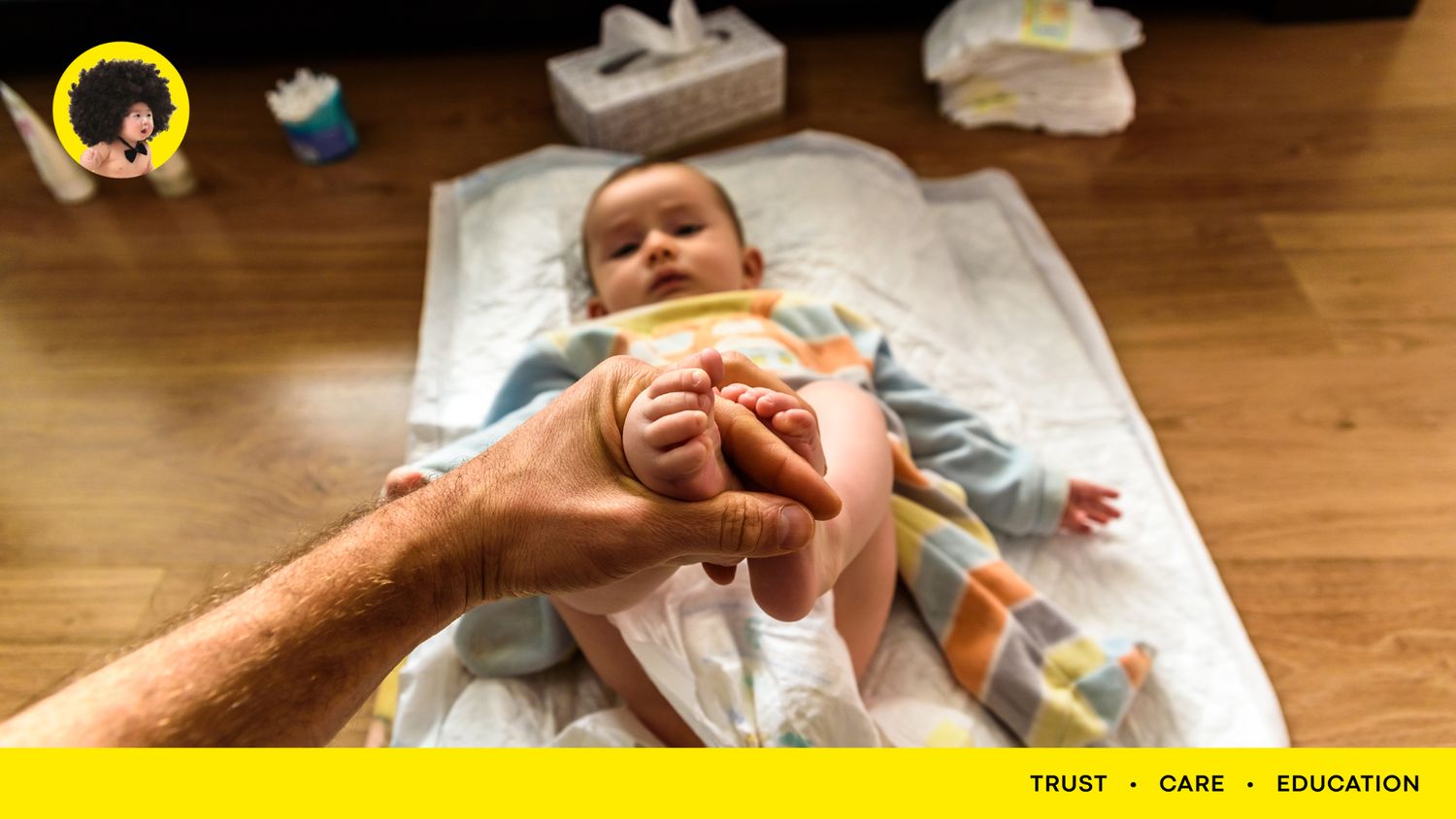
Babies typically start peeing within 24-48 hours after birth, and they'll have their first poop, called meconium, within the first day or two. Keep an eye on their diapers, regular changes help keep their skin healthy and prevent diaper rash.
First Sleep Patterns
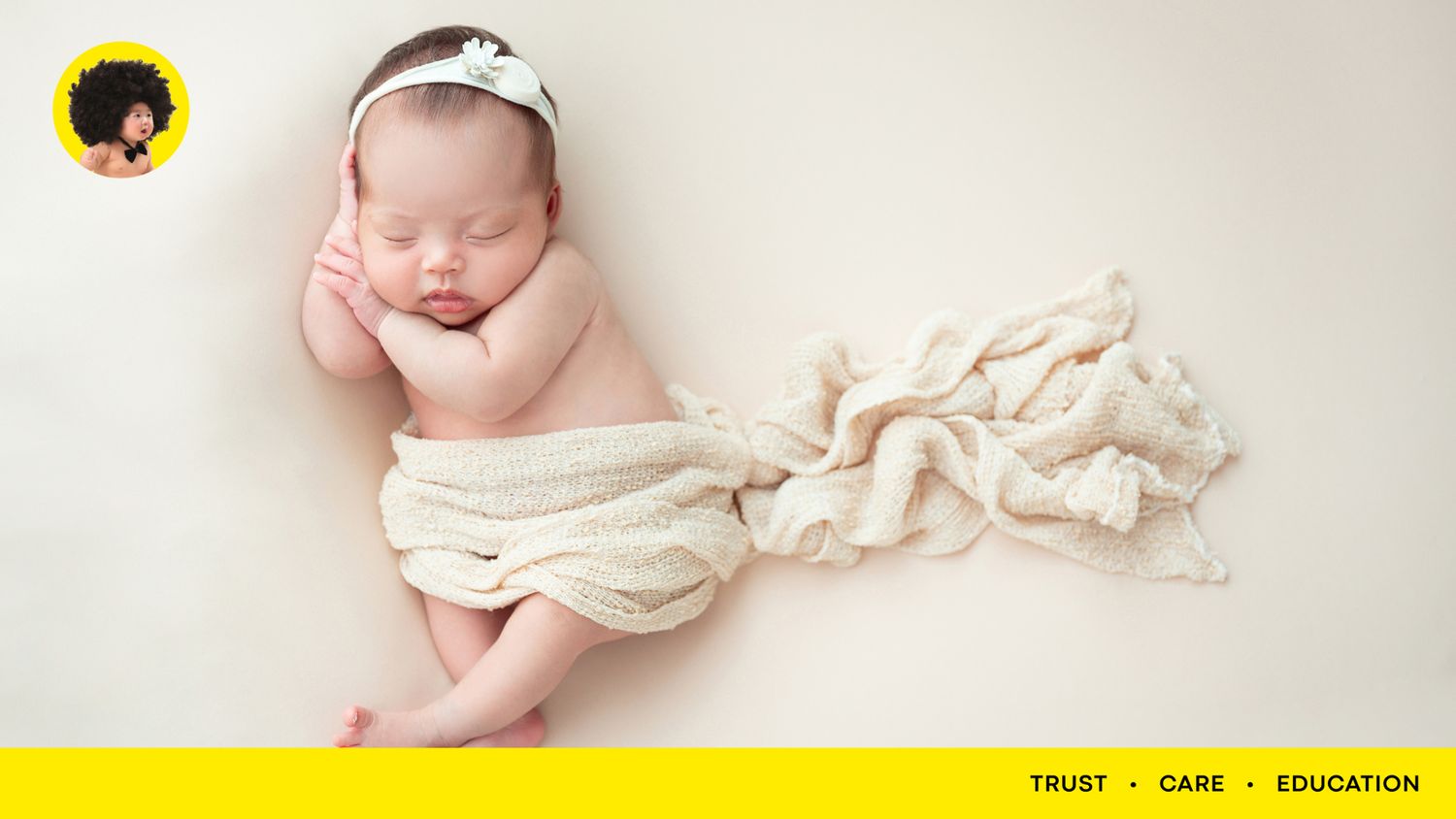
Newborns spend much of their time sleeping, waking every few hours for feedings. They haven't yet grasped the concept of day and night, so establishing a sleep routine may take time. During the day, expose them to natural light and engage in interactions. At night, create a calm and cozy environment to aid in distinguishing between day and night.
Safe Sleep Practices
Ensure your baby sleeps on their back to lower the risk of SIDS and avoid placing them on soft surfaces like pillows or cushions to prevent accidents.
Comforting Your Baby

To reduce the risk of SIDS, ensure your baby sleeps on their back, and avoid placing them on soft surfaces like pillows or cushions to prevent accidents.