
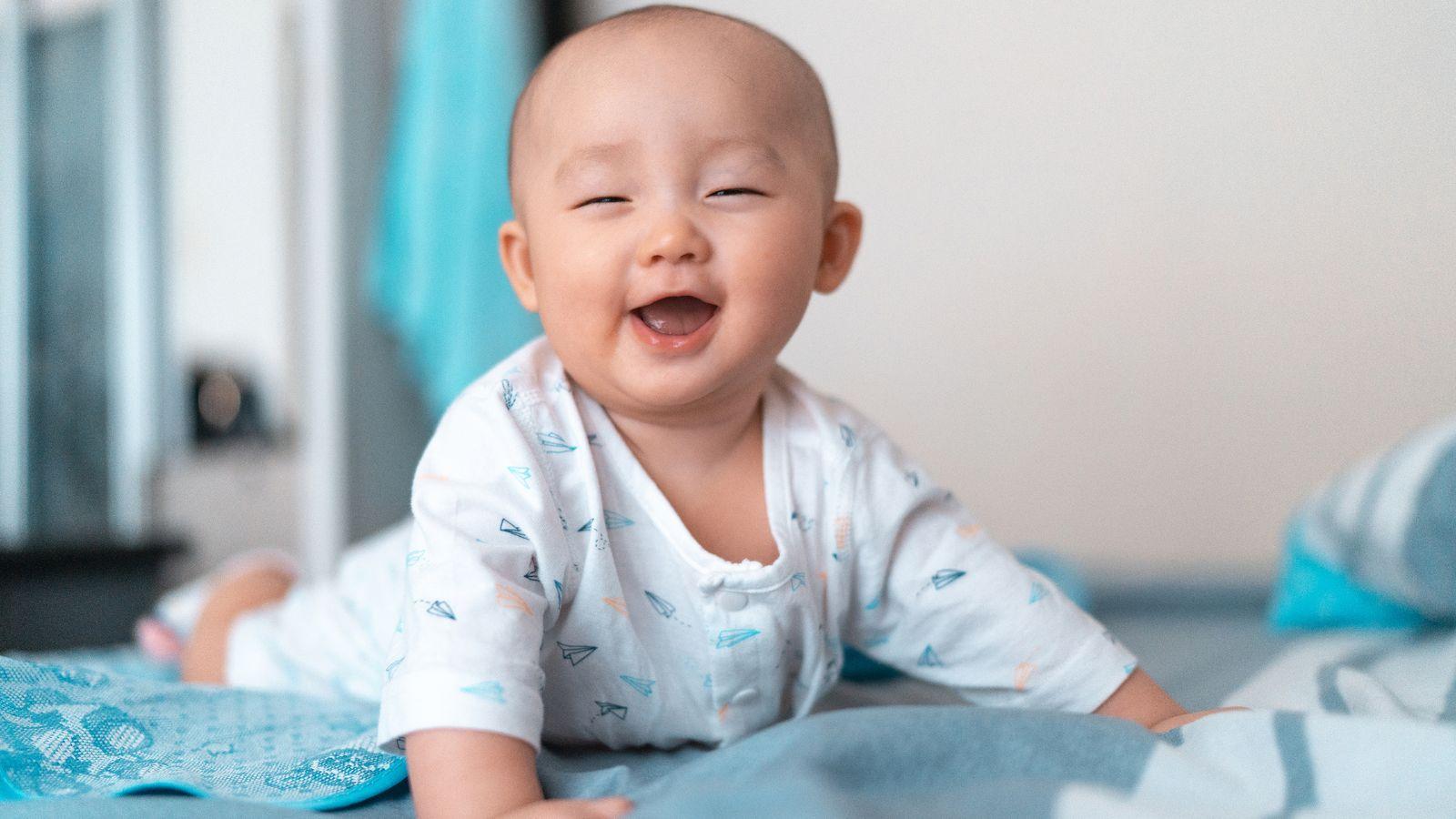
Physical Exercise for Babies: 3 Easy Exercises to Do
Many parents worry about their child falling behind and focus on teaching language and math skills. But they often forget the most important thing – physical exercise.
Good physical health and high energy help your child learn and grow better. If your baby eats little, sleeps late, or often wants to be held, it's even more important to focus on exercise. Let’s talk about this in detail.
Why Is Physical Activity Important?

Physical activity has many benefits for your baby, including:
- Better Health: Keeps a healthy weight, supports heart and body health, and improves sleep. It also strengthens basic skills like walking, running, and climbing, and helps bones and muscles grow. It satisfies curiosity and helps release energy and emotions, which is good for mental health.
- Smarter Brain: Helps brain development, boosts learning ability and independence, and teaches decision-making and problem-solving skills.
- Social Skills: Improves language and social skills, teaches cooperation, sharing, and communication with friends.
How to Exercise with 1-2 Year Olds
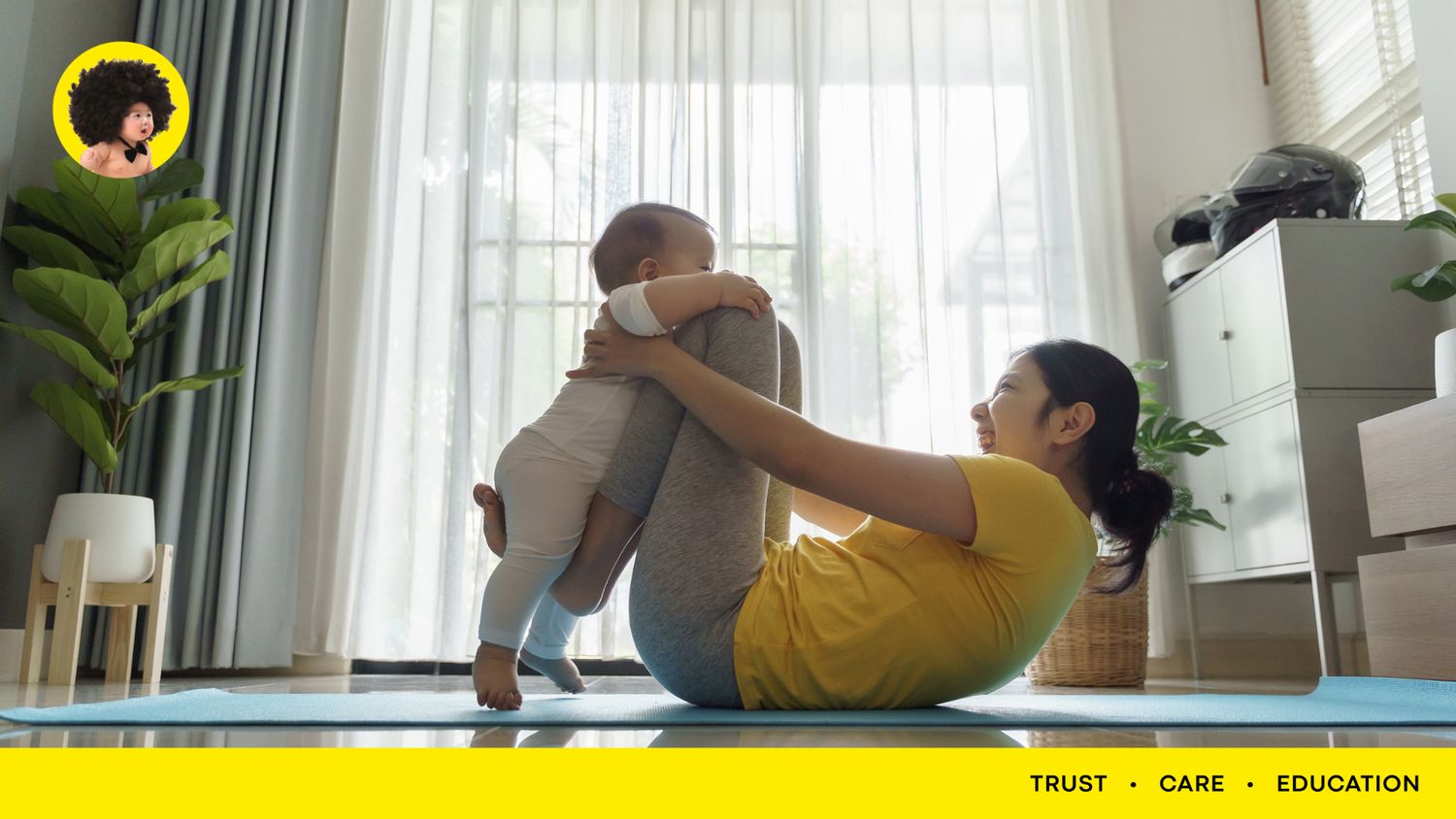
Remember these three principles:
1. Safety First: Your baby is curious and sometimes bold. Provide a safe environment and keep them within your sight.
2. Ensure Duration: Children before kindergarten need at least 60 minutes of physical activity daily. Try to schedule this time every day, such as before dinner, to form a habit.
3. Make It Fun: If activities are too repetitive, your baby will get bored. Be creative to make activities interesting and varied, encouraging participation.
Age-Appropriate Exercise Methods
Here are three methods to exercise with your baby:
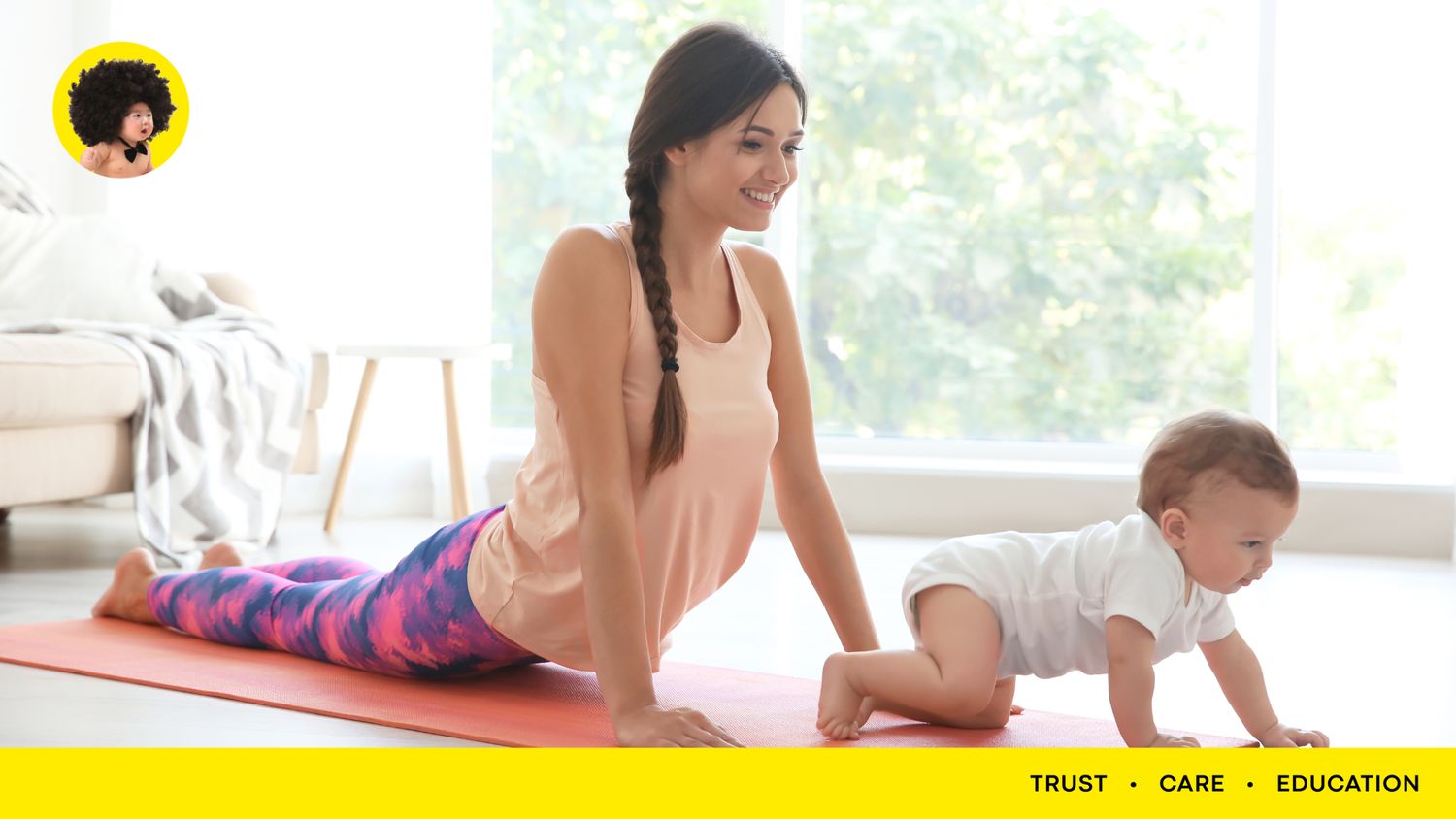
1: Basic Activities: Walking, running, jumping, climbing, and throwing are basic skills. Once your baby can walk, you can vary these activities, like walking backward, walking in straight and curved lines, jumping in place, sliding, throwing balls, and kicking balls.
- Game Example: Kangaroo Jumping
- Time: 10 minutes
- Method: Jump like a kangaroo with your baby. Stand with feet together, knees slightly bent, and jump forward with both legs. Make sure to stand steady before jumping to avoid falling, and land on the balls of your feet.
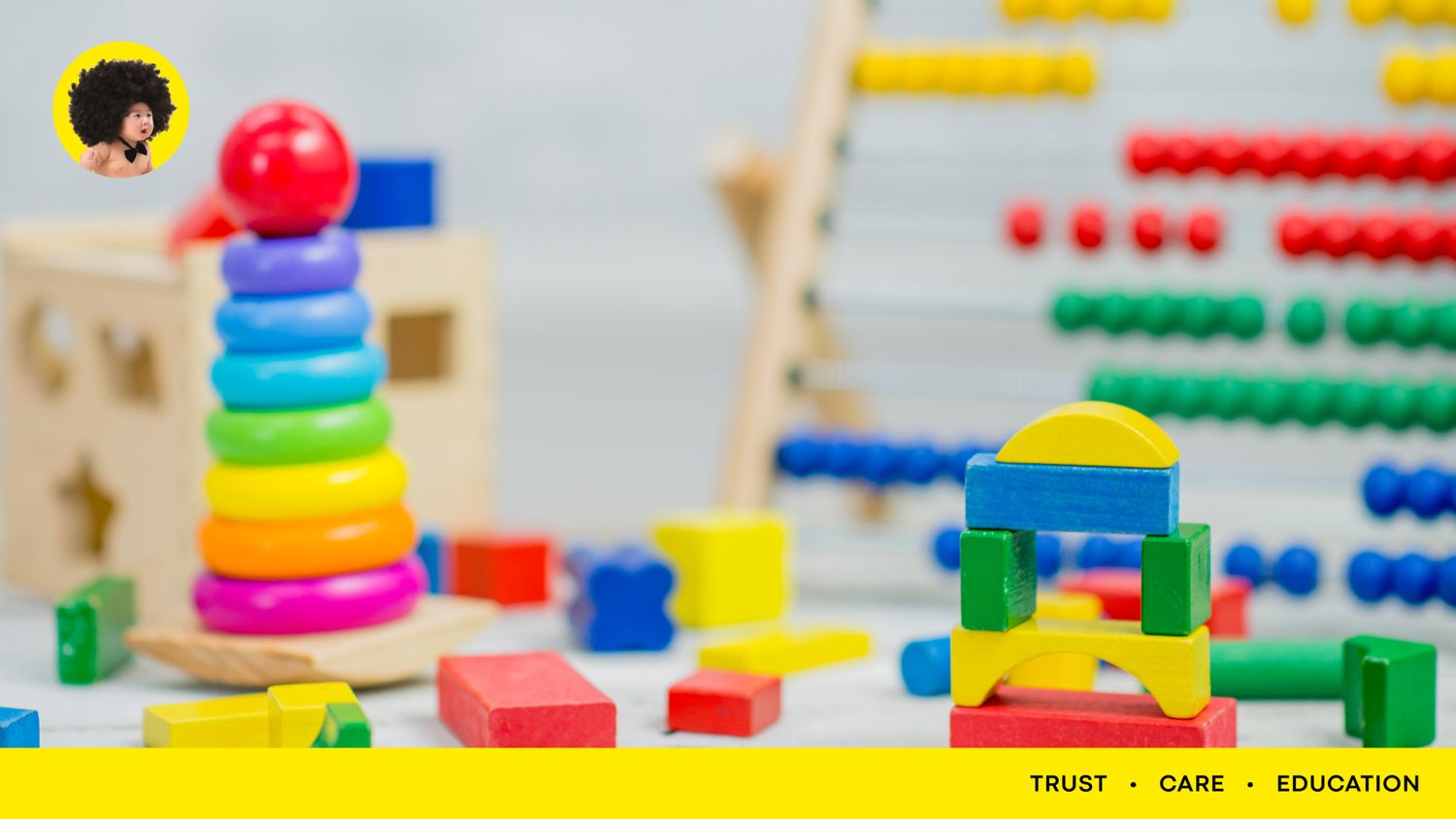
2: Incorporate Exercise into Chores: Your baby likes to help. Give them small tasks like putting dirty clothes in the laundry, arranging shoes, tidying toys, and watering plants. These tasks also provide physical exercise.
- Game Example: Toy Organizer
- Time: 20 minutes
- Method: Encourage your baby to tidy toys before bedtime. Sort small items into storage bins. This not only exercises your baby's body but also teaches organization skills and cleanliness.
3: Move to Music: Play different types of music and move, dance, clap, and tap to the beat with your baby.
- Game Example: Jump and Bounce
- Time: 15 minutes
- Method: Jump to the rhythm of the music with your baby. Sing along to songs like "Frogs, frogs, jump, jump, sleep in winter; Rabbits, rabbits, jump, jump, laugh when stepping on mushrooms..." This improves jumping skills and rhythm sense.