
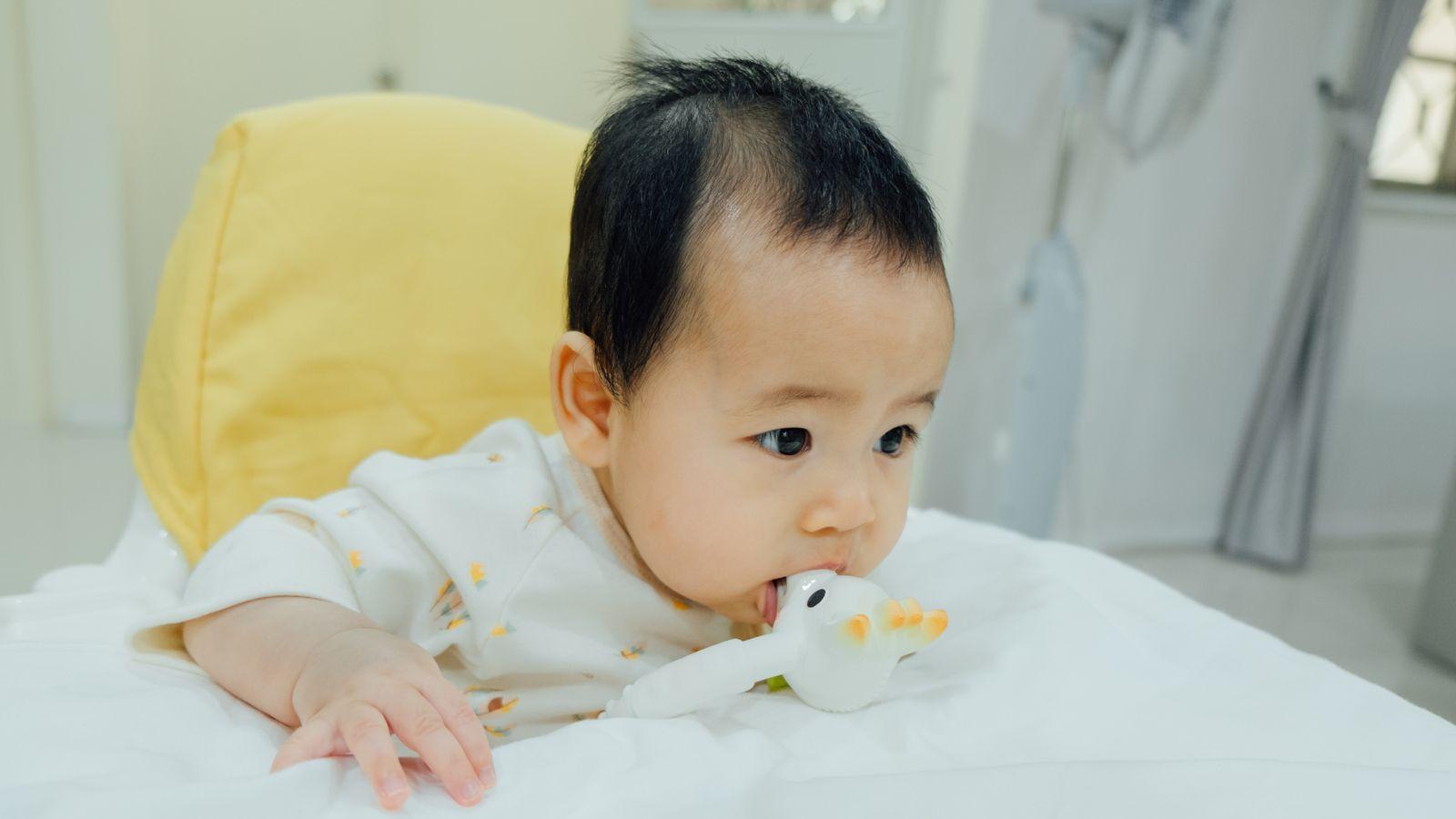
4 Signs of Baby Teething and Tips to Relieve Them
Parents often wonder when their baby will start teething. Some babies begin teething as early as 4 months, while others may not start until they're 10 months old. Each baby has their unique growth pattern, and teething can occur at different times, typically within the first year.
So, how do you know when your baby is about to start teething? Let's explore four signs and practical tips to help relieve their discomfort:
1. Chewing and Biting
Teething babies may feel itchy gums and start biting their hands or anything within reach. Provide safe teething toys and regularly clean their hands to prevent bacteria infection.
2. Excessive Drooling
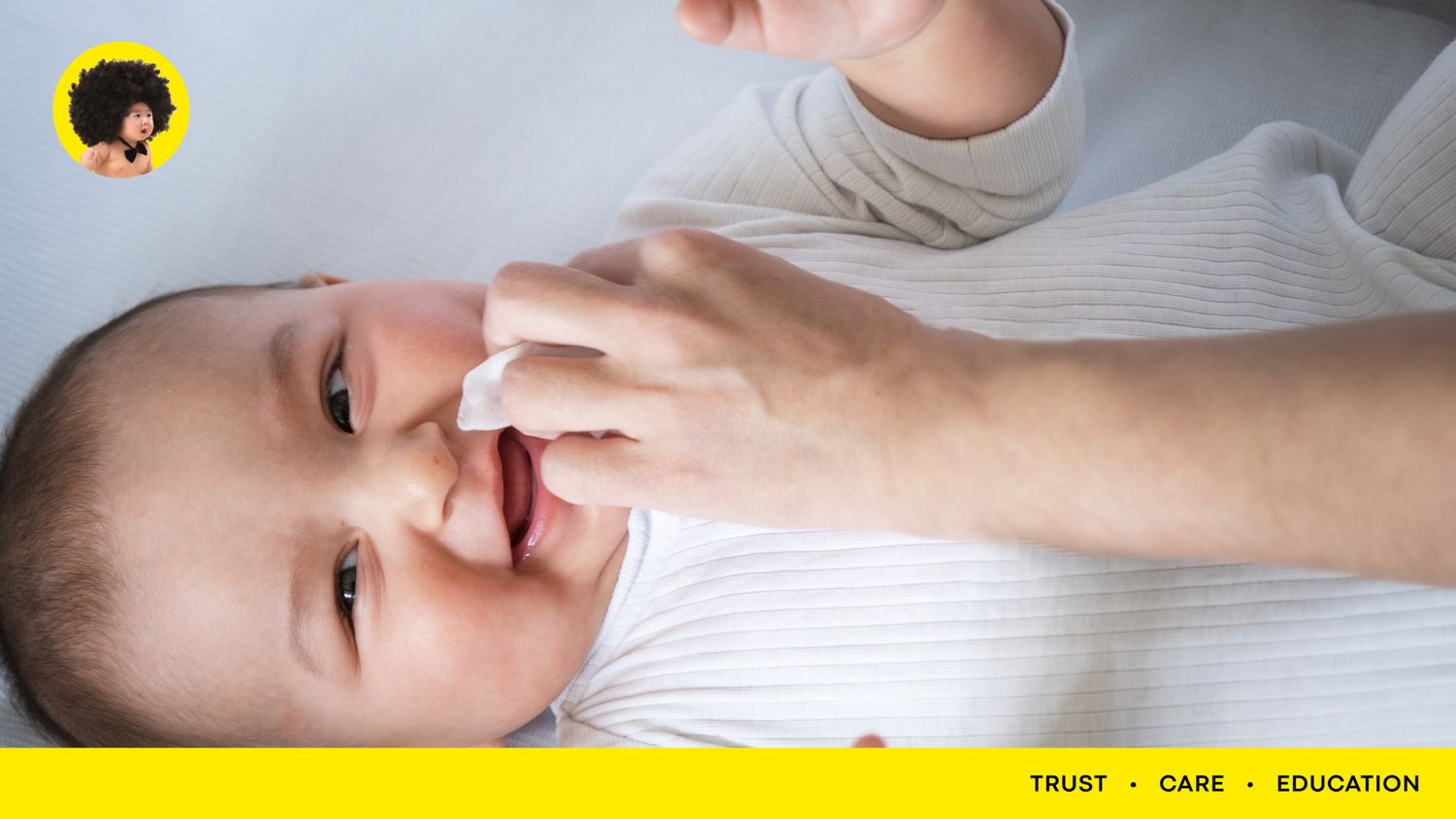
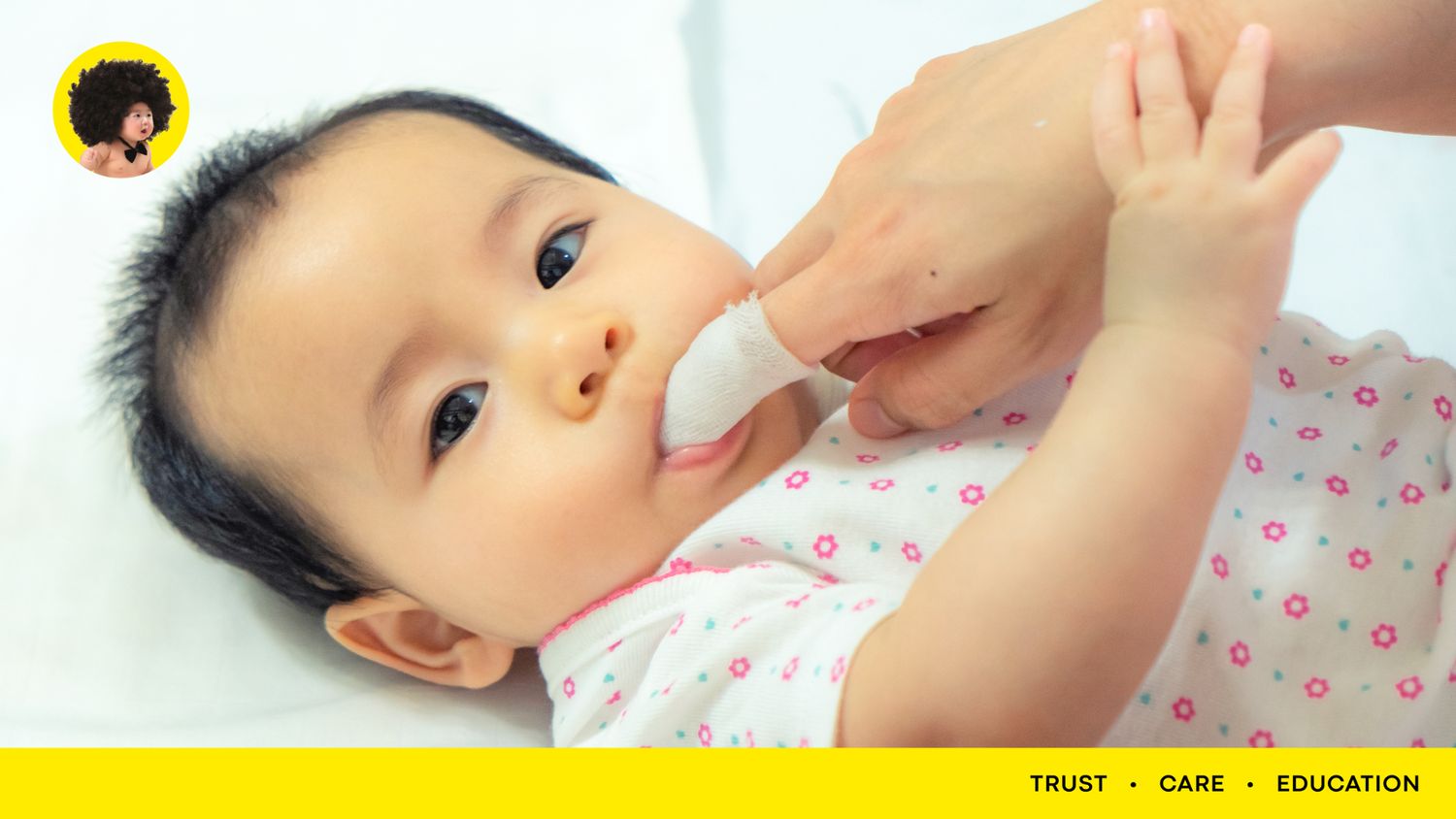
Teething stimulates saliva production, resulting in drooling. Gently wipe their mouth and chin with a soft cloth and apply baby moisturizer to prevent skin irritation.
3. Irritability
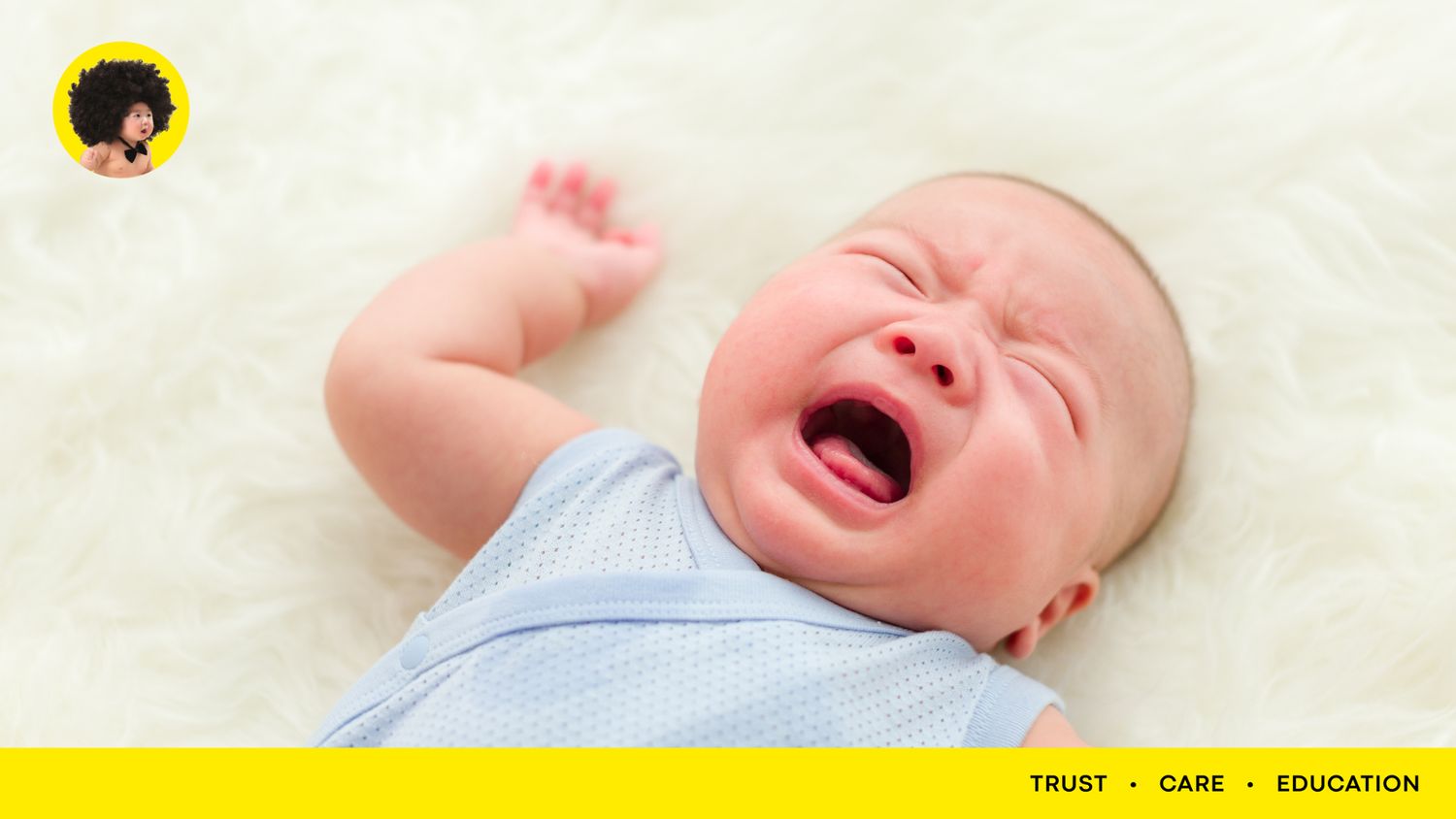
Teething discomfort can make babies irritable and fussy. Engage them in playful activities to distract them and offer extra comfort and affection.
4. Slight Temperature Rise
A slight increase in body temperature, usually below 38°C, is common during teething. Monitor their temperature, ensure they stay hydrated, and allow them plenty of rest. If the fever persists or worsens, seek medical advice promptly.
Every baby experiences teething differently, and some may not display any discomfort at all. If unsure, check for swollen and firm gums, indicating the onset of teething.