
Placenta Previa: What You Need to Know
The placenta is a special organ that forms during pregnancy. It attaches to the uterus and connects to the baby through the umbilical cord. The placenta gives nutrients and oxygen to the baby and removes waste. It also makes hormones to protect the baby.
But where the placenta is located is very important. If it is in the wrong place, it can cause heavy bleeding. This is called "placenta previa."
What is Placenta Previa?
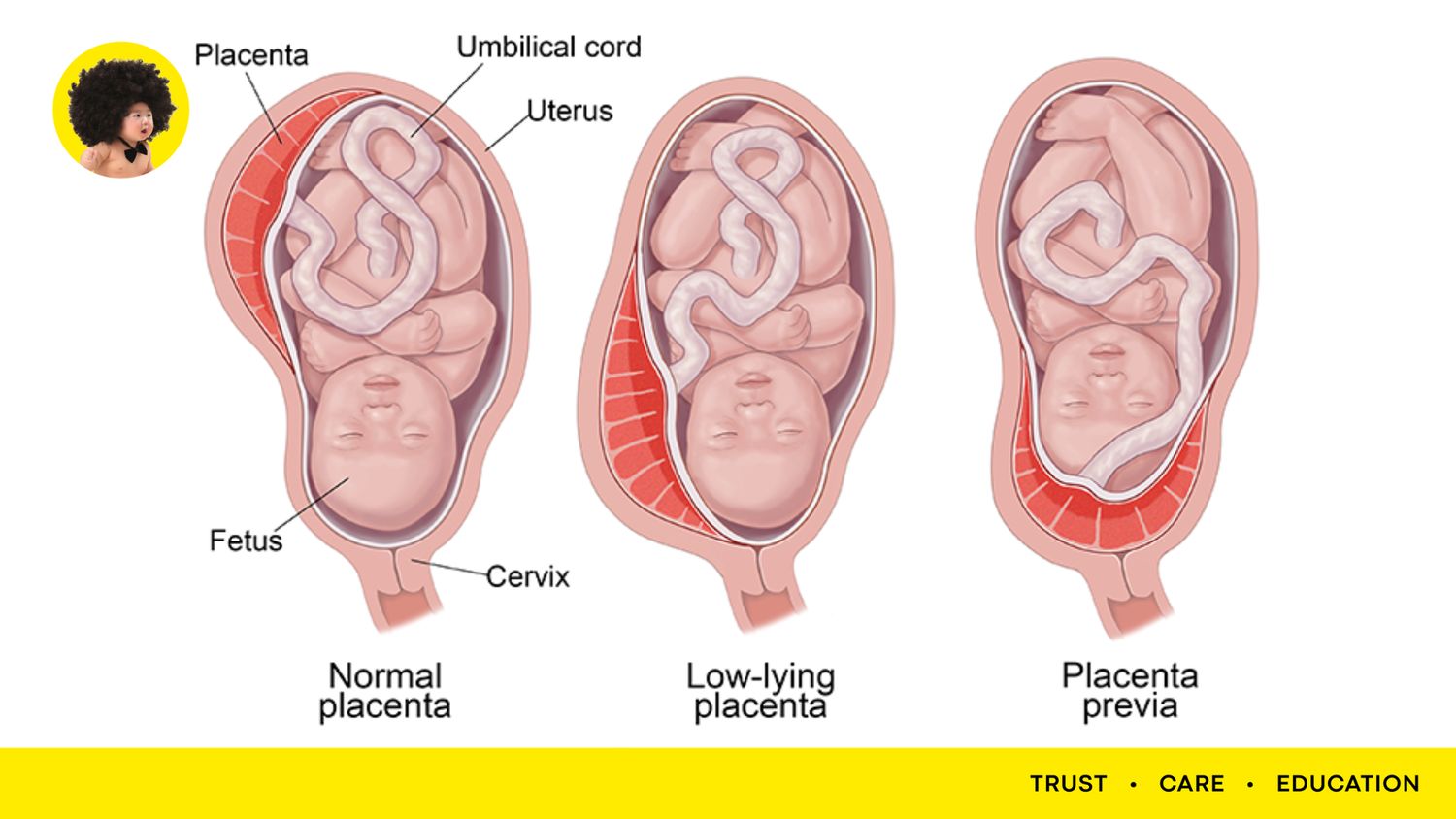
Placenta previa means the placenta is attached to the lower part of the uterus, near the cervix.
There are four types of placenta previa:
1. Low-lying Placenta: Near the cervix but not touching it.
2. Marginal Placenta Previa: Touches the edge of the cervix but does not cover it.
3. Partial Placenta Previa: Partly covers the cervix.
4. Complete Placenta Previa: Completely covers the cervix.
Effects of Placenta Previa
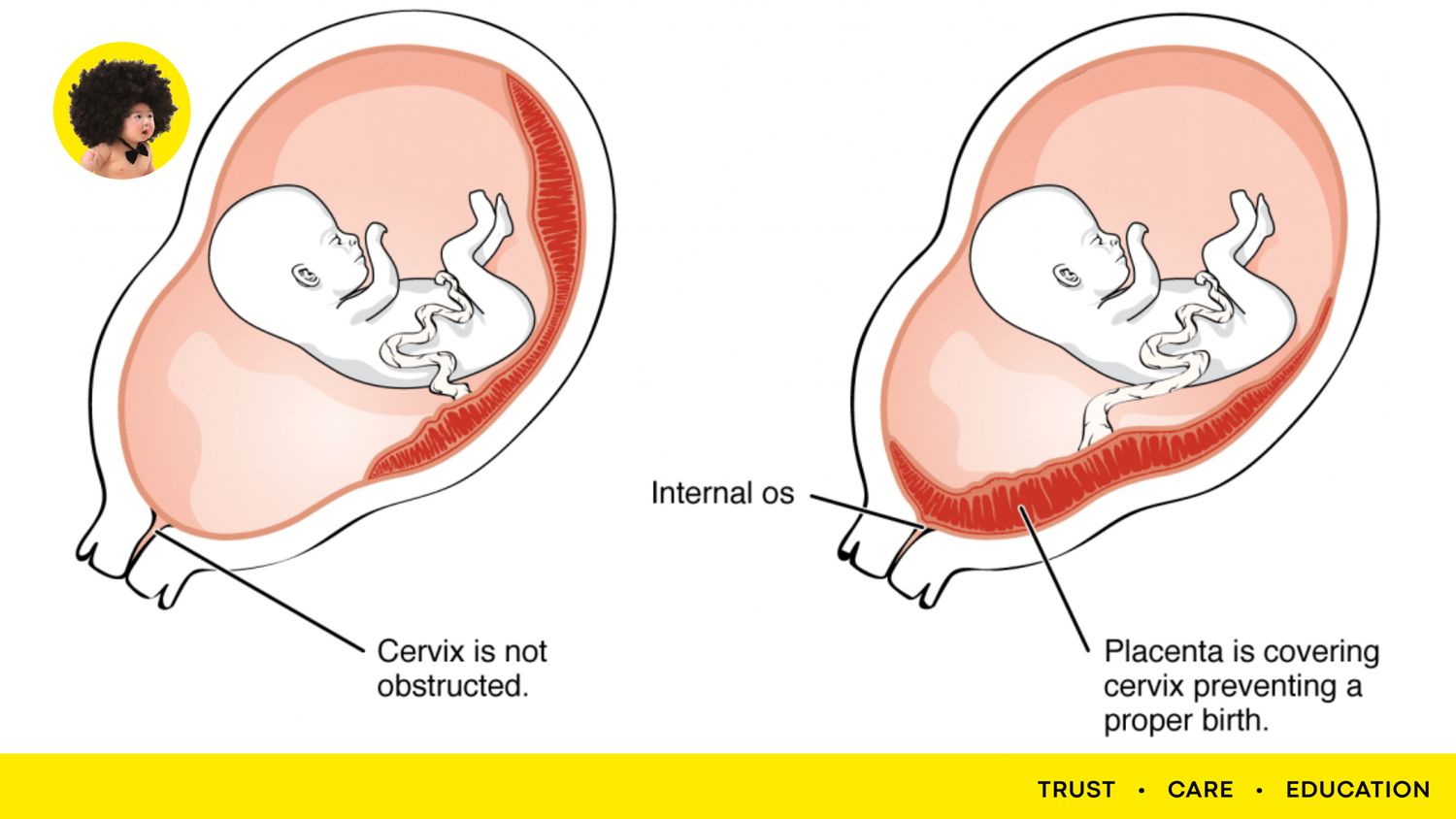
Placenta previa can cause:
- Repeated vaginal bleeding
- Infections
- Preterm birth
- Baby not getting enough oxygen
As the uterus grows, the lower part stretches, which can cause the placenta to separate and bleed.
Causes of Placenta Previa

The exact cause is unknown, but some factors increase the risk:
- Previous C-section birth
- Previous uterine surgery
- Multiple pregnancies
- Older age (over 35 years)
- Twin pregnancies
- IVF pregnancies
- Uterine problems
- Smoking
What to Do If You Have Placenta Previa

1. Stay Calm
Most cases improve after 28 weeks. About 90% of cases get better as the uterus grows and the placenta moves up.
2. Rest and Avoid Heavy Activities
Avoid heavy lifting, intense exercise, and sexual intercourse. Light activities and walking are okay if you are not bleeding. Rest more if bleeding occurs, but don’t stay in bed all the time.
3. Prevent Anemia
Eat iron-rich foods like beef and liver. Take iron supplements if anemia is detected. This is important because of the risk of heavy bleeding during delivery.
4. Prevent Constipation
Eat high-fiber foods and drink plenty of water. Straining during bowel movements can increase bleeding risk.
5. Regular Checkups
Attend regular prenatal checkups. Monitor for vaginal bleeding and seek immediate help if it occurs.
Delivery with Placenta Previa
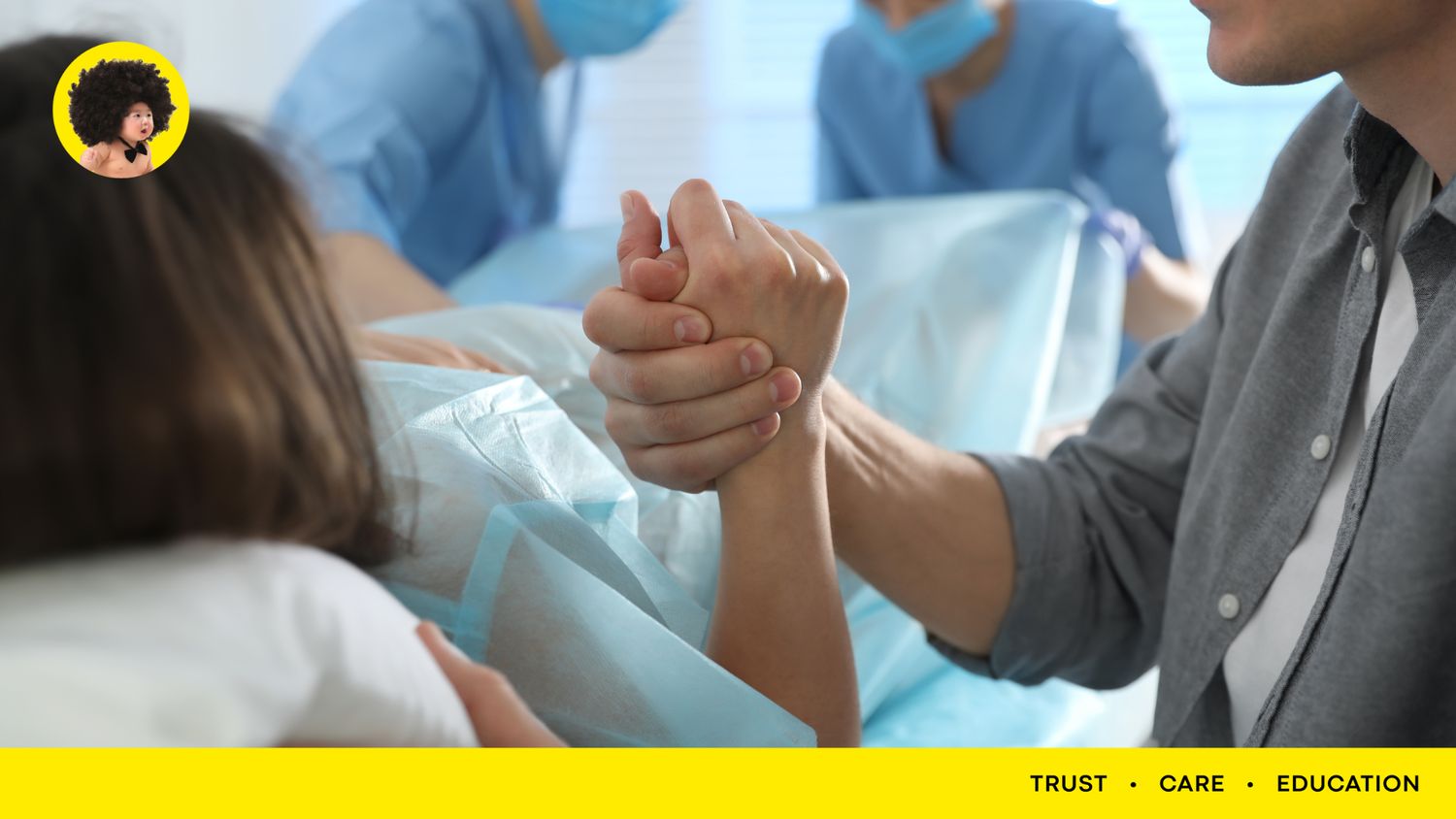
To avoid heavy bleeding, many women with placenta previa have a cesarean section before their due date. In some cases, natural delivery might be possible if there is little bleeding and the placenta is only low-lying or marginal.
For a safe delivery, if the placenta hasn’t moved up, it is best to give birth in a well-equipped hospital.
Disclaimer: This article is for general information only, not medical advice from TCE Baby. Consult professionals for personalized guidance.